
Triathlon · 70.3
70.3 training, the recovery-led way
A 1.9km swim, a 90km bike, a half marathon. The long game. A 70.3 is won in the unglamorous weeks, and lost in the weeks you refused to rest. This is how we train it around a real life.
What a 70.3 is
A 70.3, or half Ironman, is a 1.9 kilometre swim, a 90 kilometre bike and a 21.1 kilometre run: 70.3 miles in total. Most age-group athletes finish between about 4 hours 30 and 7 hours. It is the distance where endurance becomes the whole story, and where training has to coexist with a job, a family and a nervous system that keeps the score.
Training for a different distance? See Sprint, Olympic or Ironman.
Chasing volume
The 70.3 athlete's trap is wearing hours as a badge. The distance feels big, so the answer must be more: more riding, more running, longer weekends, sleep traded for sessions. For a few weeks it works. Then month three arrives and the body presents the bill: a tendon that will not settle, an HRV that will not recover, a motivation that has quietly gone grey.
The false belief is that the race rewards the athlete who trained the most. It rewards the athlete who absorbed the most. Muscles adapt in weeks; tendons, hormones and the nervous system adapt in months. A plan that ignores that timeline does not make you tougher. It makes you injured, slower, and available for none of it.
"Nobody fails a 70.3 in the last four weeks. They fail it in month three, when the volume they could not recover from comes due."
Volume that respects your life
The recovery-led 70.3 build starts from what your week can actually absorb, not from what a plan wishes you had. Work stress, family load and sleep all count as training load, because your body counts them. The long sessions that build the distance are protected; the junk miles that only build fatigue are removed.
Hard and long days land on days your readiness supports them. Recovery weeks are scheduled and honoured, not skipped when enthusiasm is high. Seven to ten deliberate hours, absorbed week after week, arrive at race day further than fourteen scraped ones ever will.
The sessions that matter
Long ride
The cornerstone of the distance. Steady, structured, building toward race duration, with race fuelling practised on board. See the bike.
Long run
Kept genuinely easy and grown patiently. The half marathon is run on this base and destroyed by running it too hard in training. See the run.
Swim frequency
Short, regular swims beat occasional big ones. 1.9km rewards economy and calm far more than power. See the swim.
Brick + strength
Race-effort bricks make the run familiar; year-round strength work keeps tendons ahead of the growing load.
The 12-week shape
Seven to ten hours a week is a genuine 70.3 build. The live block runs 12 weeks anchored to race day, in waves: three weeks building, one week recovering, with the long sessions growing toward race demands and a taper that lets the work surface. Before the window opens you hold a base rhythm, so week one starts from solid ground.
The Unbroken Protocol app anchors the block to your race, adapts the week when your life changes, and uses your morning readiness to decide when the big sessions land. One member went from poor swimmer to 70.3 finisher inside three months of joining; the system is built to meet you where you are.
Want a number to chase first? Predict your finish from your current CSS, FTP and run pace, then train to beat it.
Race day, briefly
The 70.3 is decided on the bike and collected on the run. Swim within yourself. Ride the first hour deliberately conservative, hold a strong steady effort you have rehearsed, and fuel relentlessly: carbohydrate from early on the bike, practised in training until it is automatic. Then run your own race, easy first 5k, and let the second half come to you. The athletes walking at kilometre 15 raced the bike. Do not join them.
Train it with us
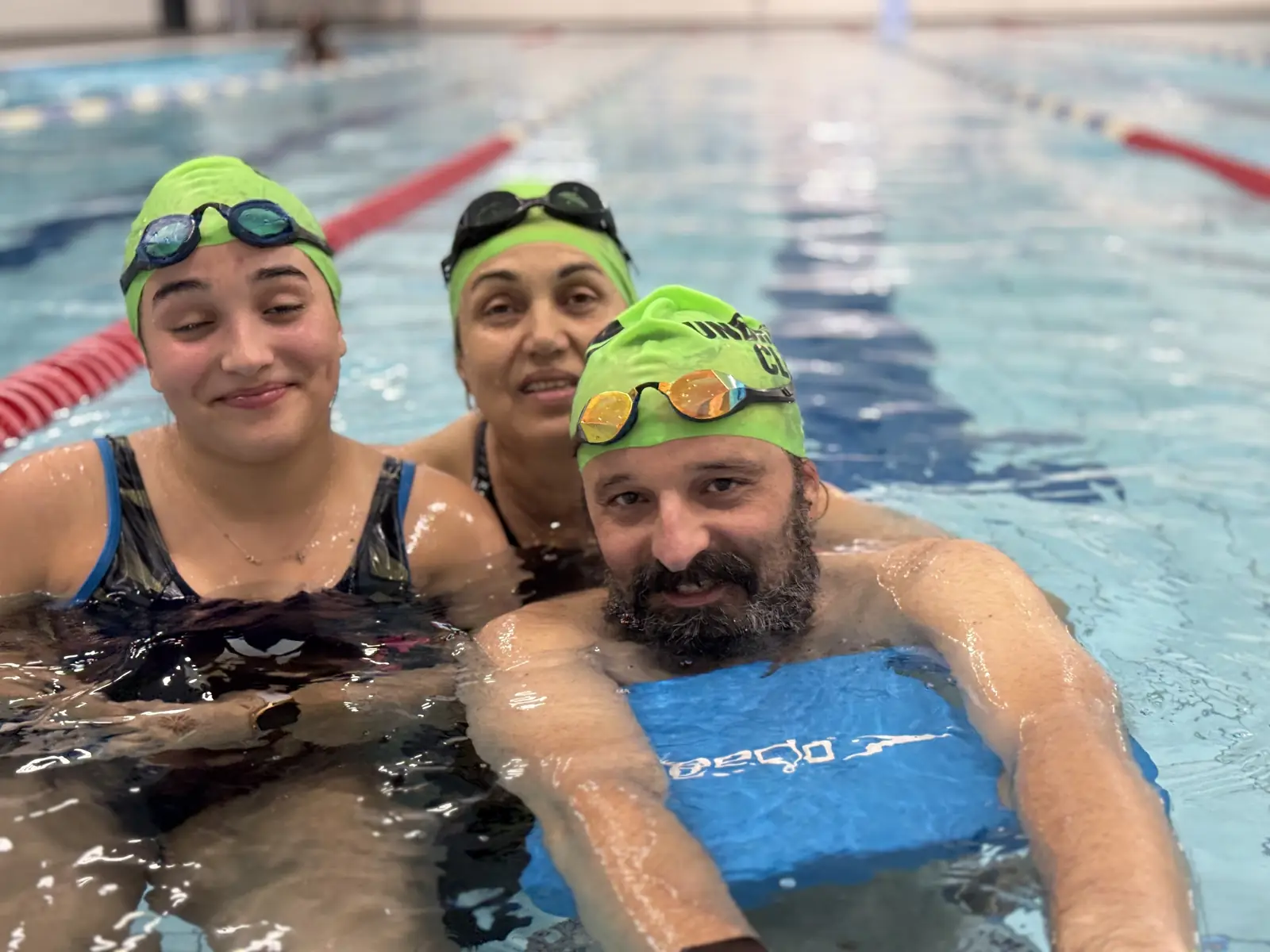
Unbroken Triathlon Club trains 70.3 athletes out of NW10, London: Tuesday rides before work, Saturday brick sessions, coached strength midweek, and race-week tapers led together. Apply through Unbroken and Abraham reviews every enquiry personally. Prefer to talk it through? Call 07414 807997.
70.3 training, answered
Train it inside the whole system
Swim, bike, run, strength, recovery and the mind, coached as one and anchored to your race.
Train long without breaking
Build your 70.3 the recovery-led way: the volume you can absorb, the recovery you have earned, the start line reached fresh.