Decision summary
| Decision | What matters |
|---|---|
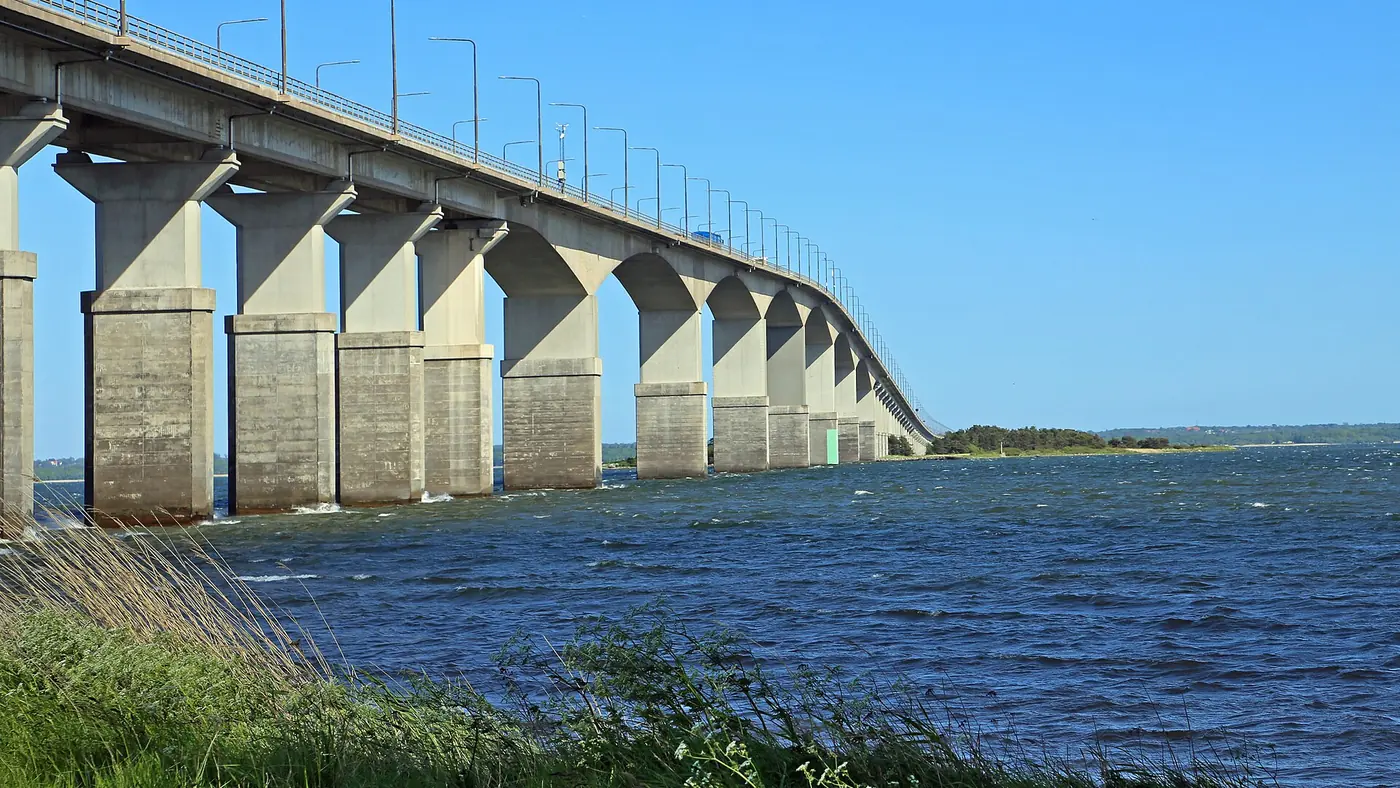
| Train the limiter Kalmar exposes | A flat profile shifts the challenge toward sustained position, wind management and uninterrupted fuelling. |
| Use outdoor wind practice | Controlled crosswind sessions teach relaxed steering, safe bottle handling and equipment judgment. |
| Pace by cost | Into wind, accept lower speed while protecting the effort cap. |
| Rehearse the first run lap | The compact city course and crowd can pull effort upward. |
Train the limiter Kalmar exposes
A flat profile shifts the challenge toward sustained position, wind management and uninterrupted fuelling. Identify which of those degrades first and build the block around it.
Use outdoor wind practice
Controlled crosswind sessions teach relaxed steering, safe bottle handling and equipment judgment. They should build skill progressively, never manufacture unnecessary risk.
Pace by cost
Into wind, accept lower speed while protecting the effort cap. With wind assistance, preserve the run rather than converting every fast kilometre into permission to push harder.
Rehearse the first run lap
The compact city course and crowd can pull effort upward. Practise a deliberately conservative opening pace after long rides and define the earliest point at which an increase is allowed.
How to turn this into a repeatable plan
Training specificity should arrive after general consistency. Progress the race's dominant demand while holding the rest of the week stable enough to recover. Judge the block through repeatable sessions, health and response trends—not one breakthrough day or a calendar that assumes uninterrupted preparation.
- 1. Train the limiter Kalmar exposes. Record the current baseline before changing the plan.
- 2. Use outdoor wind practice. Rehearse this under representative fatigue while keeping the remaining variables stable.
- 3. Pace by cost. Rehearse this under representative fatigue while keeping the remaining variables stable.
- 4. Rehearse the first run lap. Review the response and write the next decision before adding load.
What can change the recommendation
| Variable | Why it matters |
|---|---|
| Conditions | Temperature, wind, water and surface can change the cost of the same pace. |
| Athlete response | Sleep, soreness, stomach, confidence and movement quality determine whether the planned load remains appropriate. |
| Official information | Current organiser rules, routes, start procedures and cut-offs override historical descriptions. |
Evidence and sources
Facts and recommendations are separated deliberately. Final operational details remain subject to the current organiser documentation.
Frequently asked questions
Is IRONMAN Kalmar a fast course?
It can support fast performances, but wind exposure and poor bike restraint can erase the advantage of its modest elevation profile.
What should I test in training?
Test “Train the limiter Kalmar exposes” first, then add “Use outdoor wind practice” while keeping the rest of the session controlled enough to interpret the response.
Is the analysis for “ironman kalmar training pacing plan” observed or modelled?
Course and climate facts are source-labelled. Athlete-fit advice is modelled; observed performance distributions remain unpublished until authorised samples meet the stated thresholds.
Compare the race, model the finish and carry the chosen event into Unbroken's recovery-led training system.
Open Race Intelligence