Decision summary
| Decision | What matters |
|---|---|
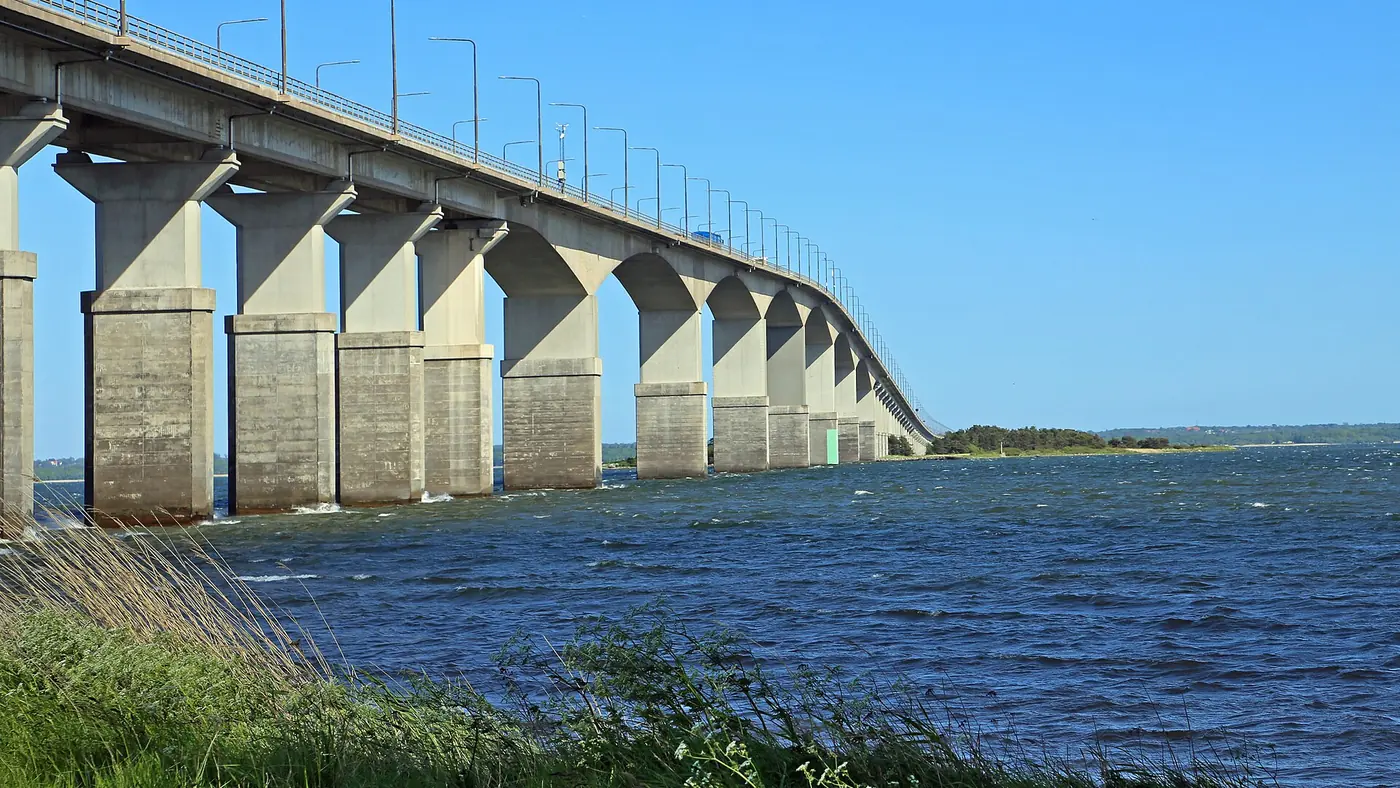
| Treat the water as open | The Kalmar Strait demands more adaptability than a pool. |
| Progress cold entry safely | Practise controlled entry and breathing with appropriate supervision. |
| Own a contact response | A disrupted stroke should trigger exhale, space and rhythm—not sprinting. |
| Use two navigation systems | Sight forward for course direction and use lateral landmarks when available. |
Treat the water as open
The Kalmar Strait demands more adaptability than a pool. Build familiarity with variable visibility, chop, temperature and the sensory load of other swimmers.
Progress cold entry safely
Practise controlled entry and breathing with appropriate supervision. The goal is to recognise the initial response and settle it, not to turn cold exposure into a toughness contest.
Own a contact response
A disrupted stroke should trigger exhale, space and rhythm—not sprinting. Rehearse close swimming with trusted partners so contact becomes information rather than alarm.
Use two navigation systems
Sight forward for course direction and use lateral landmarks when available. If buoys become hard to see, the second reference prevents repeated large corrections.
How to turn this into a repeatable plan
Course strategy is an interaction between terrain, conditions, equipment and the athlete's ability to keep executing. Use pace, power and heart rate as guardrails rather than promises. A plan is robust only when it still works after a missed bottle, a wind shift or an opening kilometre that feels easier than expected.
- 1. Treat the water as open. Record the current baseline before changing the plan.
- 2. Progress cold entry safely. Rehearse this under representative fatigue while keeping the remaining variables stable.
- 3. Own a contact response. Rehearse this under representative fatigue while keeping the remaining variables stable.
- 4. Use two navigation systems. Review the response and write the next decision before adding load.
What can change the recommendation
| Variable | Why it matters |
|---|---|
| Conditions | Temperature, wind, water and surface can change the cost of the same pace. |
| Athlete response | Sleep, soreness, stomach, confidence and movement quality determine whether the planned load remains appropriate. |
| Official information | Current organiser rules, routes, start procedures and cut-offs override historical descriptions. |
Evidence and sources
Facts and recommendations are separated deliberately. Final operational details remain subject to the current organiser documentation.
Frequently asked questions
Do I need open-water experience for IRONMAN Kalmar?
Yes. Pool fitness alone does not rehearse exposure, sighting, contact or the breathing response created by real open water.
What should I test in training?
Test “Treat the water as open” first, then add “Progress cold entry safely” while keeping the rest of the session controlled enough to interpret the response.
Is the analysis for “ironman kalmar swim course preparation” observed or modelled?
Course and climate facts are source-labelled. Athlete-fit advice is modelled; observed performance distributions remain unpublished until authorised samples meet the stated thresholds.
Compare the race, model the finish and carry the chosen event into Unbroken's recovery-led training system.
Open Race Intelligence