Decision summary
| Decision | What matters |
|---|---|
| Start with the operational map | Transition is compact and central, but the bike travels far onto Öland. |
| Respect genuine open water | The Kalmar Strait is not a pool with buoys. |
| Check the wind more than once | A forecast is context, not certainty. |
| Protect the day before | Complete essential walking and bike checks early. |
| Briefing facts beat remembered facts | Use the current official athlete guide for times, cut-offs, bag rules and course changes. |
Start with the operational map
Transition is compact and central, but the bike travels far onto Öland. Mark registration, transition, swim start, finish and accommodation before arrival so race week contains fewer decisions.
Respect genuine open water
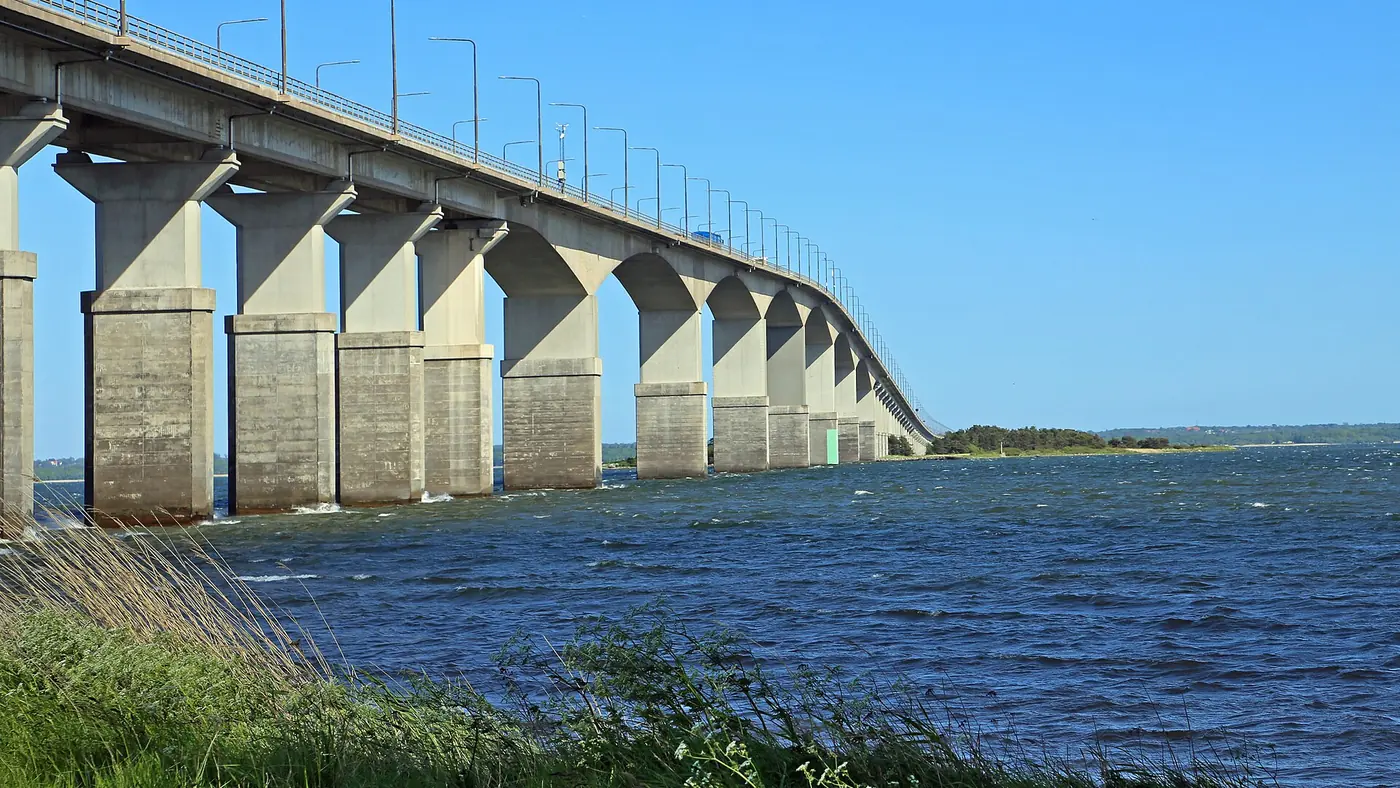
The Kalmar Strait is not a pool with buoys. Rehearse cold entry, imperfect visibility, contact and a controlled first 400 metres. Wetsuit status depends on race-day rules, not historical averages.
Check the wind more than once
A forecast is context, not certainty. Use it to select sensible equipment and expectations, then keep the pacing plan effort-led enough to survive a different direction or strength.
Protect the day before
Complete essential walking and bike checks early. Eat familiar food, keep fluid intake steady and reduce noise. The final training session should confirm readiness, not prove fitness.
Briefing facts beat remembered facts
Use the current official athlete guide for times, cut-offs, bag rules and course changes. Save it offline. Unbroken's analysis explains the race; the organiser's document governs it.
How to turn this into a repeatable plan
Logistics protect performance by reducing unnecessary movement and decisions. Put every location, deadline, bag and transport step into one written timeline. The useful test is not whether the plan works when everything is punctual; it is whether one delay can be absorbed without rushing the next three actions.
- 1. Start with the operational map. Record the current baseline before changing the plan.
- 2. Respect genuine open water. Rehearse this under representative fatigue while keeping the remaining variables stable.
- 3. Check the wind more than once. Rehearse this under representative fatigue while keeping the remaining variables stable.
- 4. Protect the day before. Rehearse this under representative fatigue while keeping the remaining variables stable.
- 5. Briefing facts beat remembered facts. Review the response and write the next decision before adding load.
What can change the recommendation
| Variable | Why it matters |
|---|---|
| Conditions | Temperature, wind, water and surface can change the cost of the same pace. |
| Athlete response | Sleep, soreness, stomach, confidence and movement quality determine whether the planned load remains appropriate. |
| Official information | Current organiser rules, routes, start procedures and cut-offs override historical descriptions. |
Evidence and sources
Facts and recommendations are separated deliberately. Final operational details remain subject to the current organiser documentation.
Frequently asked questions
Where should I verify final race details?
Use the current organiser athlete guide, briefing and race-week notices as the final authority for schedules, rules and course changes.
What should I test in training?
Test “Start with the operational map” first, then add “Respect genuine open water” while keeping the rest of the session controlled enough to interpret the response.
Is the analysis for “ironman kalmar athlete guide race briefing” observed or modelled?
Course and climate facts are source-labelled. Athlete-fit advice is modelled; observed performance distributions remain unpublished until authorised samples meet the stated thresholds.
Compare the race, model the finish and carry the chosen event into Unbroken's recovery-led training system.
Open Race Intelligence