Decision summary
| Decision | What matters |
|---|---|
| Flat does not mean constant speed | Kalmar's elevation profile is modest, but exposure changes the cost of speed. |
| Hold effort and accept speed | Use power, heart rate and breathing as guardrails. |
| Train for stability | The bridge and open island roads reward a position that remains calm in crosswinds. |
| Fuel when the road is easy | Exposed sections can make bottle handling and eating less comfortable. |
| Run preparation begins on Öland | The three-lap city run starts with the choices made on the island. |
Flat does not mean constant speed
Kalmar's elevation profile is modest, but exposure changes the cost of speed. A headwind can tempt an athlete to chase an expected average. That turns weather into an argument and usually spends too much energy.
Hold effort and accept speed
Use power, heart rate and breathing as guardrails. Speed is the output of the day, not the input. Into a headwind, keep the aerodynamic position and hold the cap. With a tailwind, stay disciplined rather than pushing because the number looks exciting.
Train for stability
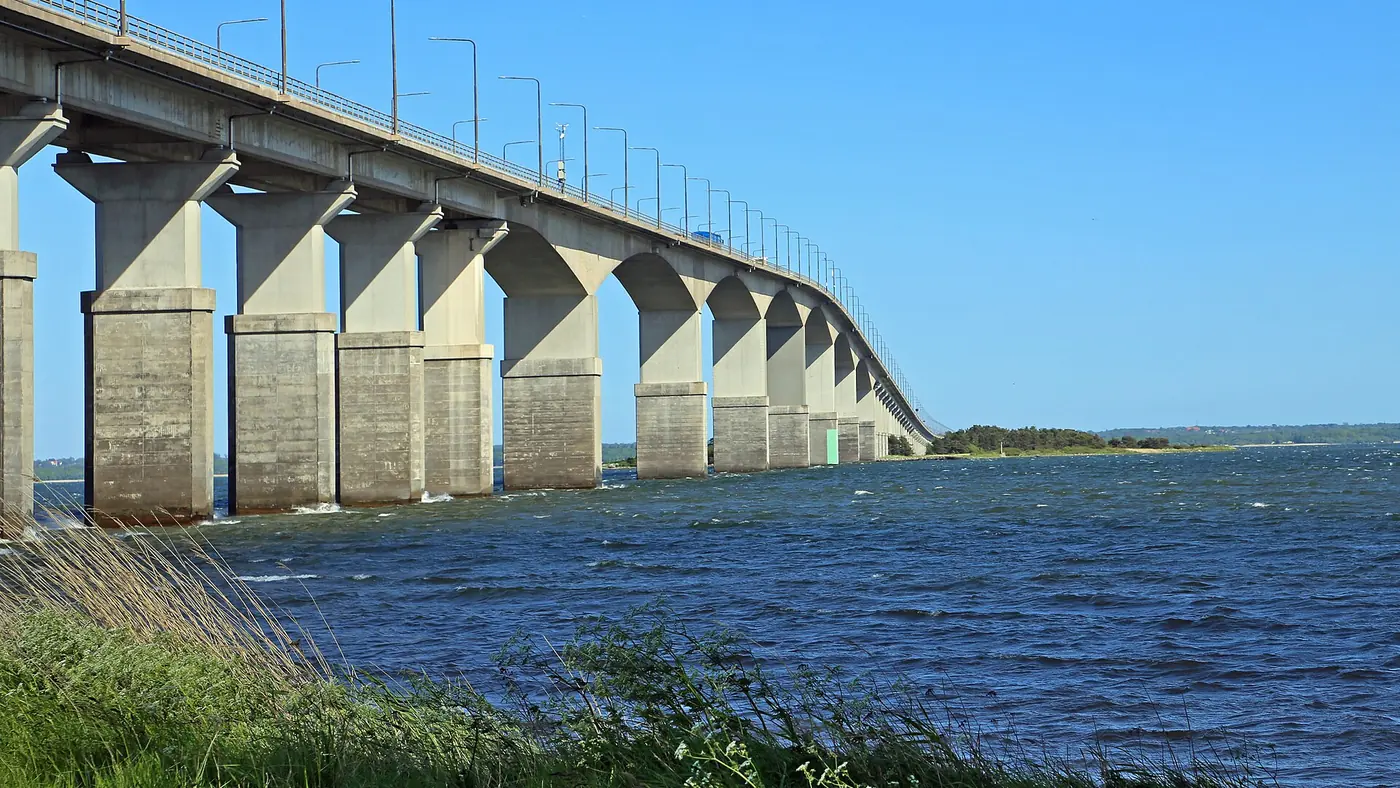
The bridge and open island roads reward a position that remains calm in crosswinds. Practise outside in controlled wind, use equipment you can handle and learn the difference between productive caution and rigid fear.
Fuel when the road is easy
Exposed sections can make bottle handling and eating less comfortable. Use sheltered or technically simple stretches to stay ahead of the schedule rather than postponing nutrition until the deficit is obvious.
Run preparation begins on Öland
The three-lap city run starts with the choices made on the island. A successful Kalmar bike feels patient when the wind is difficult and almost boring when it is favourable. That emotional discipline is a performance skill.
How to turn this into a repeatable plan
Course strategy is an interaction between terrain, conditions, equipment and the athlete's ability to keep executing. Use pace, power and heart rate as guardrails rather than promises. A plan is robust only when it still works after a missed bottle, a wind shift or an opening kilometre that feels easier than expected.
- 1. Flat does not mean constant speed. Record the current baseline before changing the plan.
- 2. Hold effort and accept speed. Rehearse this under representative fatigue while keeping the remaining variables stable.
- 3. Train for stability. Rehearse this under representative fatigue while keeping the remaining variables stable.
- 4. Fuel when the road is easy. Rehearse this under representative fatigue while keeping the remaining variables stable.
- 5. Run preparation begins on Öland. Review the response and write the next decision before adding load.
What can change the recommendation
| Variable | Why it matters |
|---|---|
| Conditions | Temperature, wind, water and surface can change the cost of the same pace. |
| Athlete response | Sleep, soreness, stomach, confidence and movement quality determine whether the planned load remains appropriate. |
| Official information | Current organiser rules, routes, start procedures and cut-offs override historical descriptions. |
Evidence and sources
Facts and recommendations are separated deliberately. Final operational details remain subject to the current organiser documentation.
Frequently asked questions
Where should I verify final race details?
Use the current organiser athlete guide, briefing and race-week notices as the final authority for schedules, rules and course changes.
What should I test in training?
Test “Flat does not mean constant speed” first, then add “Hold effort and accept speed” while keeping the rest of the session controlled enough to interpret the response.
Is the analysis for “ironman kalmar course wind bike” observed or modelled?
Course and climate facts are source-labelled. Athlete-fit advice is modelled; observed performance distributions remain unpublished until authorised samples meet the stated thresholds.
Compare the race, model the finish and carry the chosen event into Unbroken's recovery-led training system.
Open Race Intelligence