Decision summary
| Decision | What matters |
|---|---|
| Compare swim context carefully | Lake Placid's current description includes a two-lap Mirror Lake swim. |
| Distinguish climbing from variability | Lake Placid places sustained Adirondacks climbing and a notable descent into the bike. |
| Match the run preparation | Both runs demand effort control across hills. |
| Measure access to relevant terrain | An athlete with long climbs and safe descending practice nearby may prepare differently from one with rolling technical roads. |
| Decide from constraints, not status | Weight technical confidence, climb durability, travel, timing and recovery capacity before comparing the races. |
Compare swim context carefully
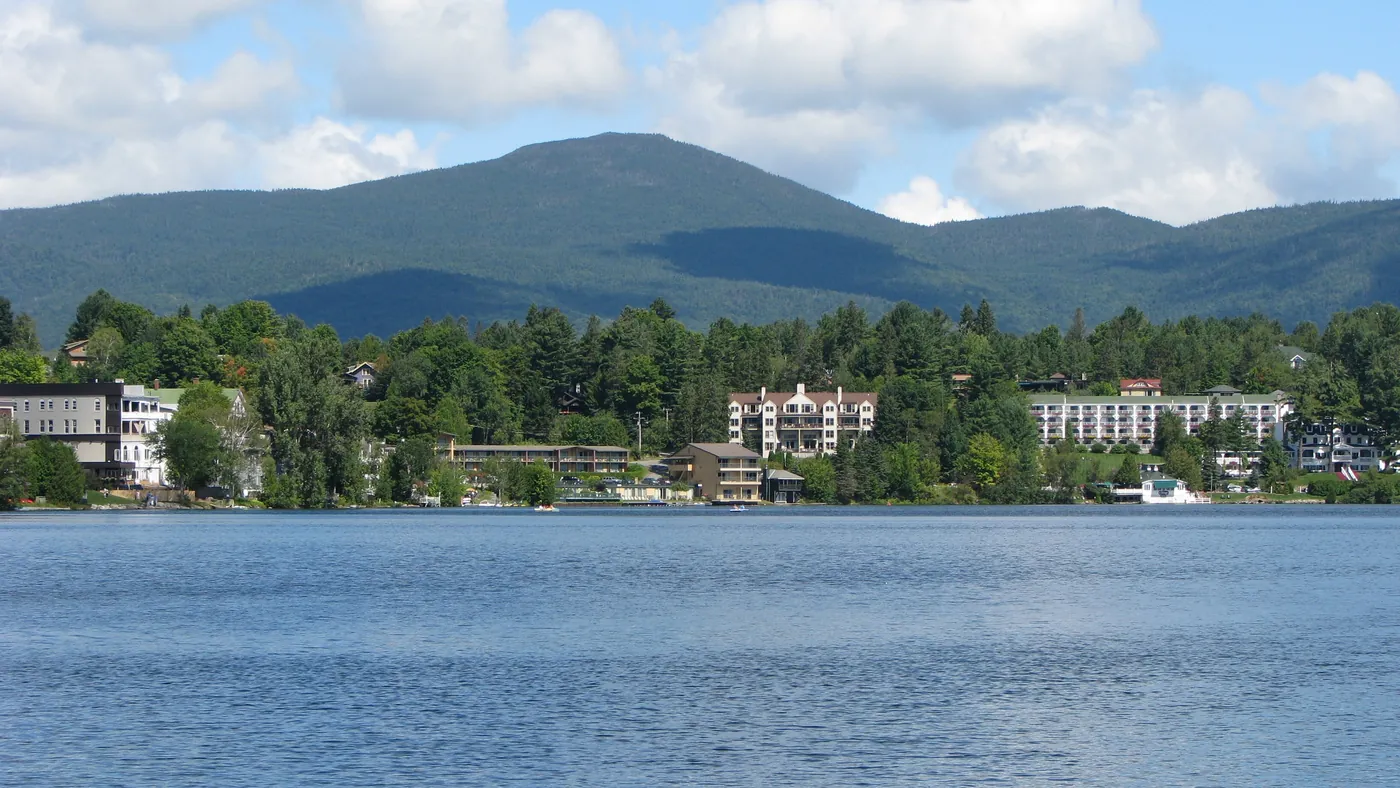
Lake Placid's current description includes a two-lap Mirror Lake swim. Wisconsin begins in Lake Monona, while current geometry must be confirmed from organiser material. Assess open-water confidence and venue familiarity without inventing detail that has not been published.
Distinguish climbing from variability
Lake Placid places sustained Adirondacks climbing and a notable descent into the bike. Wisconsin's rural course is rolling and technical, with repeated changes in effort and handling. These are different skills even when both days feel hilly.
Match the run preparation
Both runs demand effort control across hills. Lake Placid's two-loop course returns to the Olympic Oval context; Wisconsin's urban route mixes gradient and crowd energy. Choose the demand that can be rehearsed without destabilising weekly run durability.
Measure access to relevant terrain
An athlete with long climbs and safe descending practice nearby may prepare differently from one with rolling technical roads. Indoor training can close part of the gap, but handling and downhill loading still need thoughtful real-world progression.
Decide from constraints, not status
Weight technical confidence, climb durability, travel, timing and recovery capacity before comparing the races. The right event is the one whose demands fit a repeatable preparation and current organiser reality, not the one with a stronger reputation.
How to turn this into a repeatable plan
A useful comparison keeps the dimensions separate. Swim confidence, bike cost, run durability, climate and logistics can point to different winners. Weight them according to the athlete's limiter and training environment before combining them into a decision.
- 1. Compare swim context carefully. Record the current baseline before changing the plan.
- 2. Distinguish climbing from variability. Rehearse this under representative fatigue while keeping the remaining variables stable.
- 3. Match the run preparation. Rehearse this under representative fatigue while keeping the remaining variables stable.
- 4. Measure access to relevant terrain. Rehearse this under representative fatigue while keeping the remaining variables stable.
- 5. Decide from constraints, not status. Review the response and write the next decision before adding load.
What can change the recommendation
| Variable | Why it matters |
|---|---|
| Conditions | Temperature, wind, water and surface can change the cost of the same pace. |
| Athlete response | Sleep, soreness, stomach, confidence and movement quality determine whether the planned load remains appropriate. |
| Official information | Current organiser rules, routes, start procedures and cut-offs override historical descriptions. |
Evidence and sources
Facts and recommendations are separated deliberately. Final operational details remain subject to the current organiser documentation.
- Unbroken race guide
- Unbroken race guide
- Race comparison hub
- Public race evidence record
- Public race evidence record
- Data methodology
- Official IRONMAN Lake Placid event page
- Official IRONMAN Wisconsin event page
Frequently asked questions
Which race needs more hill training?
Both require hilly durability, but the pattern differs. Lake Placid emphasises sustained climbing and descending; Wisconsin adds frequent rolling and technical changes.
What should I test in training?
Test “Compare swim context carefully” first, then add “Distinguish climbing from variability” while keeping the rest of the session controlled enough to interpret the response.
Is the analysis for “ironman lake placid vs wisconsin” observed or modelled?
The guidance is a planning framework, not a guarantee. Any observed statistic is published only with a source, sample size and evidence state.
Compare the race, model the finish and carry the chosen event into a recovery-led training plan.
Open the race guide