Decision summary
| Decision | What matters |
|---|---|
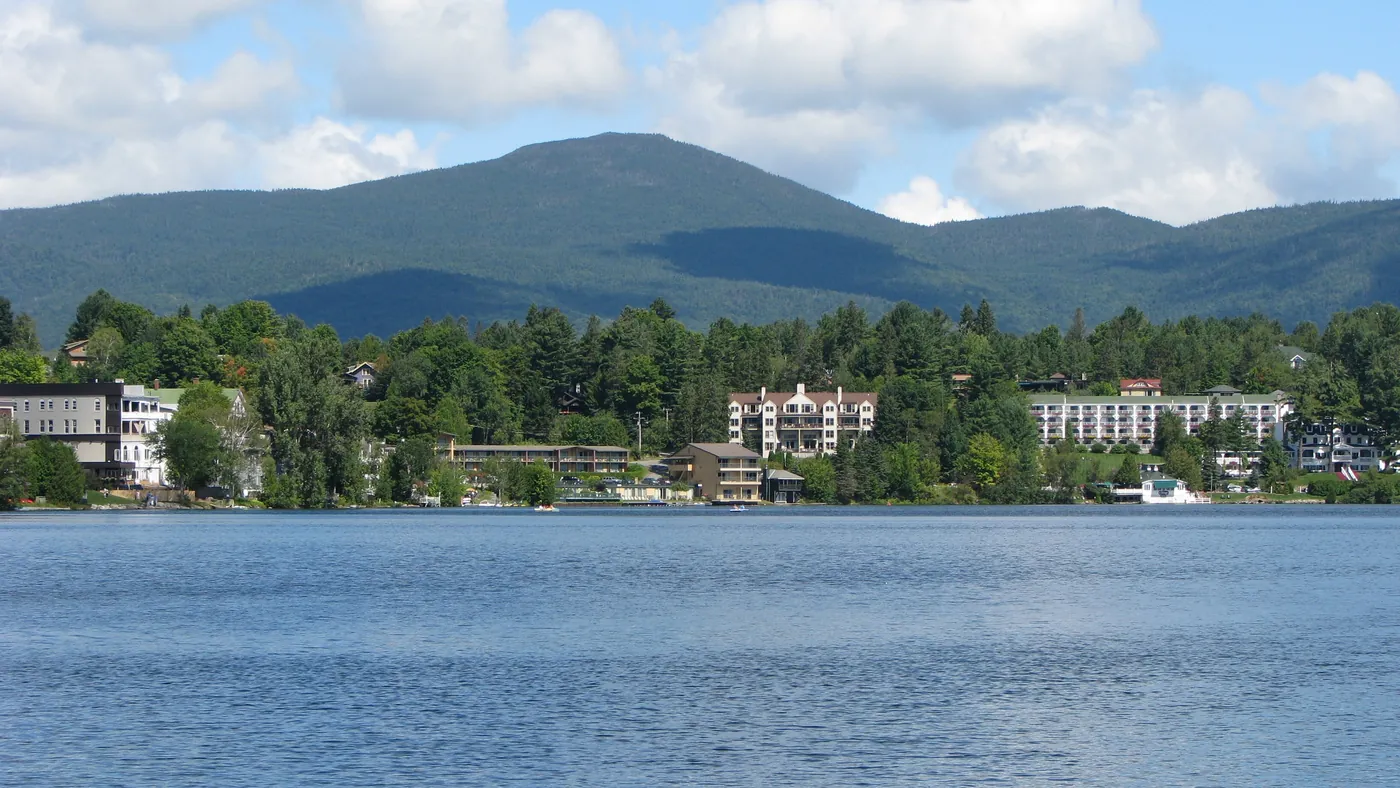
| Let the swim establish calm | The two-lap Mirror Lake swim rewards rhythm and clean navigation. |
| Cap the Adirondacks climbs | The hilly two-lap bike can turn every rise into an invitation to spend too much. |
| Descend within rehearsed skill | The Keene descent makes handling part of pacing. |
| Budget for the second bike loop | A successful first loop should leave the same posture, intake and decision rules available for the second. |
| Run the hills by effort | The rolling two-lap run punishes attachment to one pace. |
Let the swim establish calm
The two-lap Mirror Lake swim rewards rhythm and clean navigation. Begin below urgency, keep sighting independent of the athletes around you and use the lap structure as a cue to reset technique rather than accelerate without purpose.
Cap the Adirondacks climbs
The hilly two-lap bike can turn every rise into an invitation to spend too much. Unbroken's analysis is to set a firm effort ceiling, shift early and allow speed to fall so the second loop remains mechanically and nutritionally controlled.
Descend within rehearsed skill
The Keene descent makes handling part of pacing. Choose lines and equipment that match demonstrated control, stay attentive to current organiser instructions and conditions, and avoid treating another athlete's descending speed as a target.
Budget for the second bike loop
A successful first loop should leave the same posture, intake and decision rules available for the second. If fuelling becomes difficult or form deteriorates, reduce effort early enough that the problem can still be managed.
Run the hills by effort
The rolling two-lap run punishes attachment to one pace. Shorten the stride and control effort uphill, settle downhill without overstriding and delay any sustained increase until the second lap confirms that form and intake remain dependable.
How to turn this into a repeatable plan
Course strategy is an interaction between terrain, conditions, equipment and the athlete's ability to keep executing. Use pace, power and heart rate as guardrails rather than promises. A plan is robust only when it still works after a missed bottle, a wind shift or an opening kilometre that feels easier than expected.
- 1. Let the swim establish calm. Record the current baseline before changing the plan.
- 2. Cap the Adirondacks climbs. Rehearse this under representative fatigue while keeping the remaining variables stable.
- 3. Descend within rehearsed skill. Rehearse this under representative fatigue while keeping the remaining variables stable.
- 4. Budget for the second bike loop. Rehearse this under representative fatigue while keeping the remaining variables stable.
- 5. Run the hills by effort. Review the response and write the next decision before adding load.
What can change the recommendation
| Variable | Why it matters |
|---|---|
| Conditions | Temperature, wind, water and surface can change the cost of the same pace. |
| Athlete response | Sleep, soreness, stomach, confidence and movement quality determine whether the planned load remains appropriate. |
| Official information | Current organiser rules, routes, start procedures and cut-offs override historical descriptions. |
Evidence and sources
Facts and recommendations are separated deliberately. Final operational details remain subject to the current organiser documentation.
- Unbroken race guide
- Public race evidence record
- Data methodology
- Official IRONMAN Lake Placid event page
Frequently asked questions
Should I hold one pace throughout the Lake Placid run?
Use a stable effort rather than forcing one pace across changing gradients. Let speed vary while form, breathing and fuelling remain controlled.
What should I test in training?
Test “Let the swim establish calm” first, then add “Cap the Adirondacks climbs” while keeping the rest of the session controlled enough to interpret the response.
Is the analysis for “ironman lake placid course pacing” observed or modelled?
Course and climate facts are source-labelled. Athlete-fit advice is modelled; observed performance distributions remain unpublished until authorised samples meet the stated thresholds.
Compare the race, model the finish and carry the chosen event into a recovery-led training plan.
Open the race guide