Decision summary
| Decision | What matters |
|---|---|
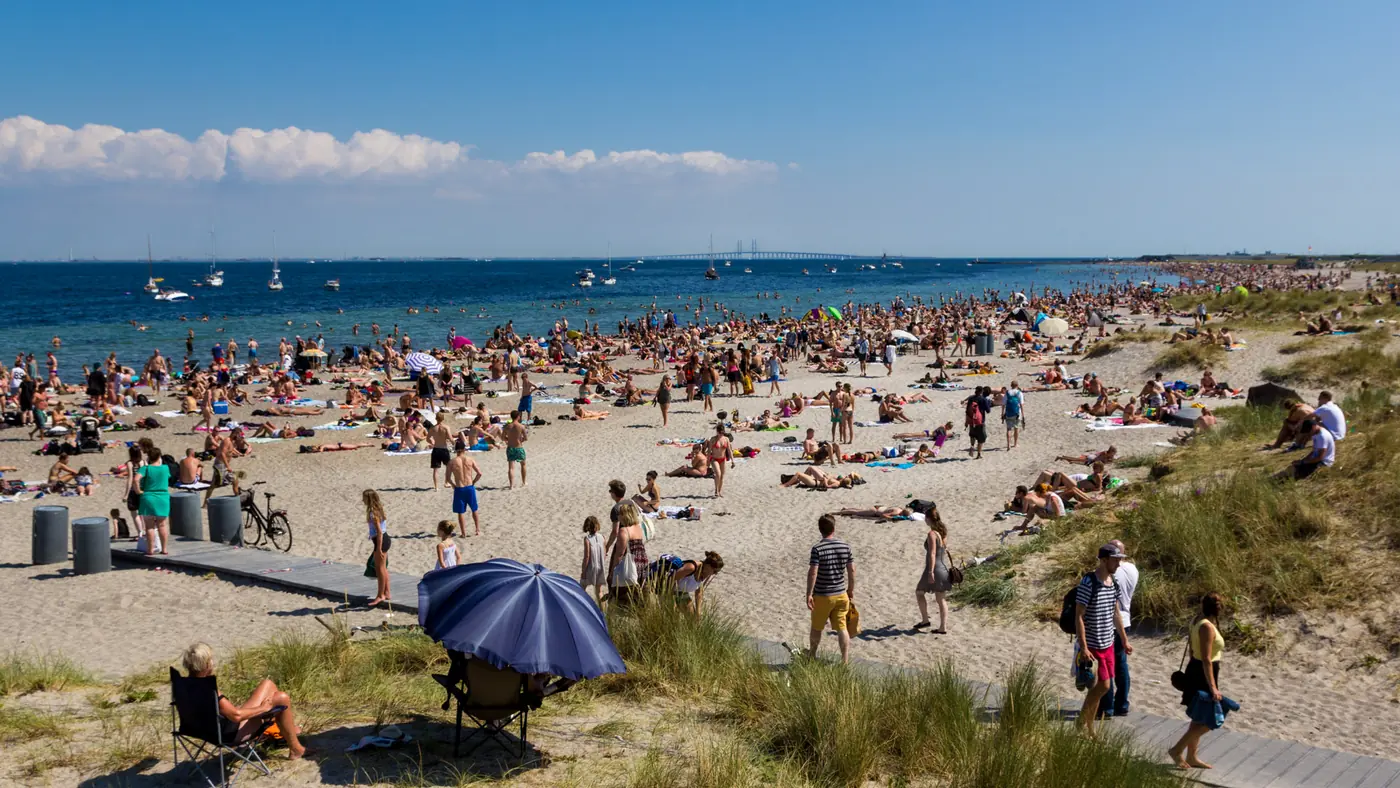
| Two transitions change the plan | The swim and T1 sit at Amager Strandpark while T2 is in central Copenhagen. |
| Rehearse the lagoon start | The sheltered water removes much of the sea uncertainty, but a calm venue can create false confidence. |
| Keep race week quiet | Copenhagen makes it easy to walk far more than planned. |
| Build one written timeline | Work backwards from the official start information once published. |
| Use official information as the final authority | Course and schedule details can change. |
Two transitions change the plan
The swim and T1 sit at Amager Strandpark while T2 is in central Copenhagen. Treat bag drop, supporter movement and post-race collection as a route-planning problem, not something to solve while tired.
Rehearse the lagoon start
The sheltered water removes much of the sea uncertainty, but a calm venue can create false confidence. Practise sighting, contact and the first controlled minutes so the heart rate settles before the swim becomes work.
Keep race week quiet
Copenhagen makes it easy to walk far more than planned. Set a daily movement ceiling, complete registration early and protect sleep. Sightseeing is better after the finish than before it.
Build one written timeline
Work backwards from the official start information once published. Include breakfast, travel, bag access, warm-up, medication, toilet time and the point at which decisions stop.
Use official information as the final authority
Course and schedule details can change. Unbroken explains the demands; the organiser owns the operational truth. Recheck the athlete guide, start lists and briefings before leaving home and again after arrival.
How to turn this into a repeatable plan
Logistics protect performance by reducing unnecessary movement and decisions. Put every location, deadline, bag and transport step into one written timeline. The useful test is not whether the plan works when everything is punctual; it is whether one delay can be absorbed without rushing the next three actions.
- 1. Two transitions change the plan. Record the current baseline before changing the plan.
- 2. Rehearse the lagoon start. Rehearse this under representative fatigue while keeping the remaining variables stable.
- 3. Keep race week quiet. Rehearse this under representative fatigue while keeping the remaining variables stable.
- 4. Build one written timeline. Rehearse this under representative fatigue while keeping the remaining variables stable.
- 5. Use official information as the final authority. Review the response and write the next decision before adding load.
What can change the recommendation
| Variable | Why it matters |
|---|---|
| Conditions | Temperature, wind, water and surface can change the cost of the same pace. |
| Athlete response | Sleep, soreness, stomach, confidence and movement quality determine whether the planned load remains appropriate. |
| Official information | Current organiser rules, routes, start procedures and cut-offs override historical descriptions. |
Evidence and sources
Facts and recommendations are separated deliberately. Final operational details remain subject to the current organiser documentation.
Frequently asked questions
Where should I verify final race details?
Use the current organiser athlete guide, briefing and race-week notices as the final authority for schedules, rules and course changes.
What should I test in training?
Test “Two transitions change the plan” first, then add “Rehearse the lagoon start” while keeping the rest of the session controlled enough to interpret the response.
Is the analysis for “ironman copenhagen 2026 athlete guide start time” observed or modelled?
Course and climate facts are source-labelled. Athlete-fit advice is modelled; observed performance distributions remain unpublished until authorised samples meet the stated thresholds.
Compare the race, model the finish and carry the chosen event into Unbroken's recovery-led training system.
Open Race Intelligence