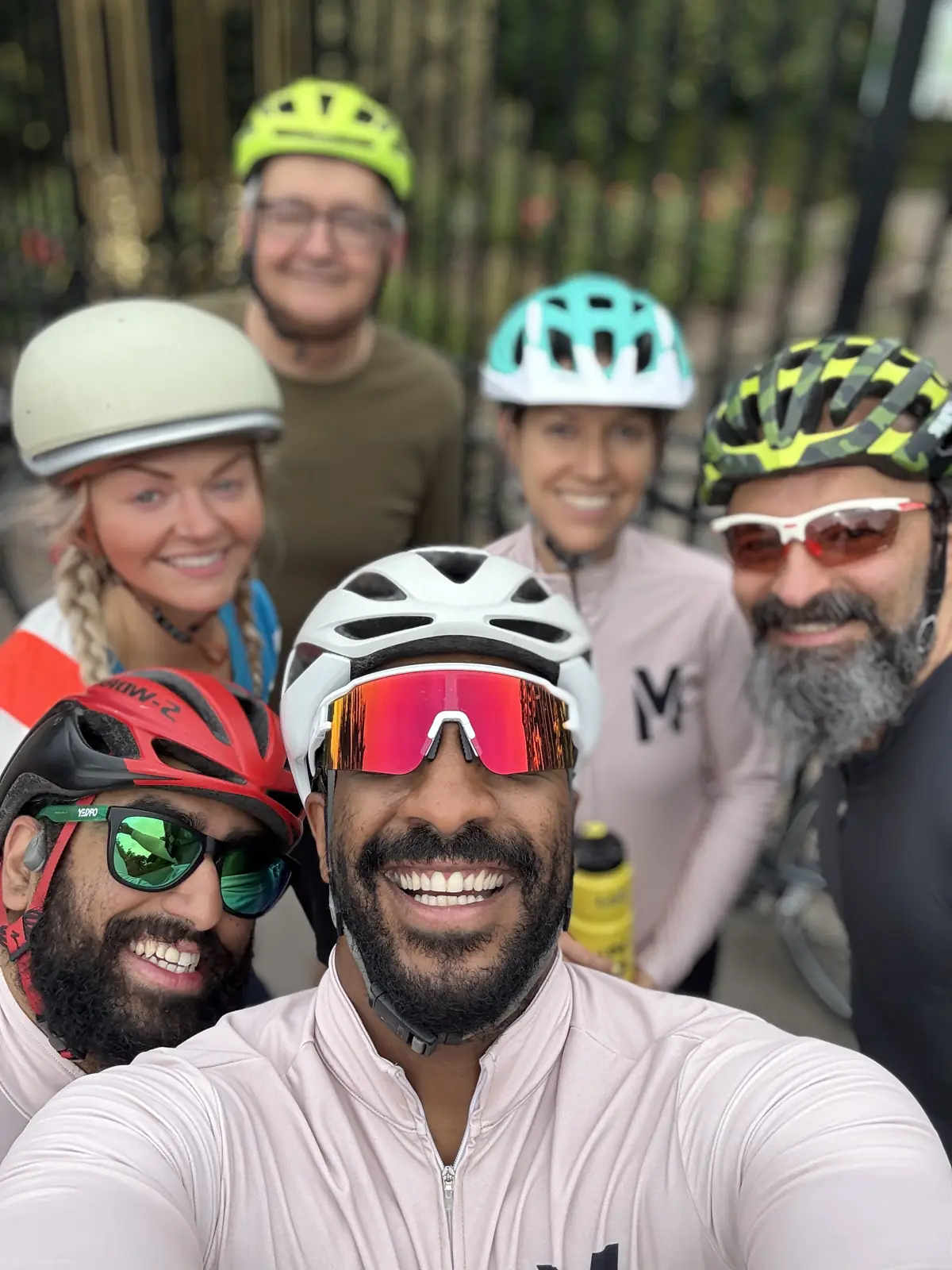
Unbroken triathlon club in London is the commercial home for athletes who want coached sessions, a manageable weekly structure and a local route into the sport.
Decision summary
| Decision | What matters |
|---|---|
| Start from your actual baseline | Swim confidence, bike handling, running history and weekly availability shape the right first step. |
| Build water confidence before chasing distance | Early swim support should prioritise breathing, body position, calm repetition and a safe progression towards open water. |
| Learn safe bike skills | Fitness alone does not prepare a beginner to handle, brake, corner, drink or ride near others safely. |
| Progress running gradually | Running has a different impact cost from swimming and cycling. |
| Make the whole week manageable | Three individually sensible sessions can still form a poor week. |
| Choose an appropriate first event | The first race should match current swim confidence, available preparation time and access to safe practice. |
| Build towards open water deliberately | Pool confidence does not automatically transfer to open water, contact or sighting. |
| Know when individual support is useful | A beginner with persistent pain, significant anxiety in water, health concerns or a complicated return to training may need support beyond a standard group session. |
| Reassess after the first month | The right starting support may change once basic skills, confidence and weekly availability become clearer. |
| Choose between a club, coach and app | A club can provide coached sessions and community, an individual coach can manage a personal plan, and an app can organise self-directed training context. |
Start from your actual baseline
Swim confidence, bike handling, running history and weekly availability shape the right first step. Useful beginner support asks where you are now rather than assuming one starting level.
Build water confidence before chasing distance
Early swim support should prioritise breathing, body position, calm repetition and a safe progression towards open water. Ask how lane placement and technical feedback work for less-confident swimmers.
Learn safe bike skills
Fitness alone does not prepare a beginner to handle, brake, corner, drink or ride near others safely. Look for clear prerequisites and opportunities to practise skills in an appropriate environment.
Progress running gradually
Running has a different impact cost from swimming and cycling. A beginner pathway should allow easy run-walk work, progressive frequency and enough recovery rather than copying an experienced athlete's volume.
Make the whole week manageable
Three individually sensible sessions can still form a poor week. Training needs to fit work, commuting and sleep, with demanding sessions separated enough to preserve technique and consistency.
Choose an appropriate first event
The first race should match current swim confidence, available preparation time and access to safe practice. Check the organiser's current distance, cut-offs and rules before committing.
Build towards open water deliberately
Pool confidence does not automatically transfer to open water, contact or sighting. Use an appropriate supervised progression, learn the event's current swim requirements and avoid treating an unfamiliar environment as a fitness test.
Know when individual support is useful
A beginner with persistent pain, significant anxiety in water, health concerns or a complicated return to training may need support beyond a standard group session. Coaching remains within scope, while clinical concerns require an appropriate qualified professional.
Reassess after the first month
The right starting support may change once basic skills, confidence and weekly availability become clearer. Review what you can now do consistently, which discipline still limits progress and whether the current environment provides the next useful step.
Choose between a club, coach and app
A club can provide coached sessions and community, an individual coach can manage a personal plan, and an app can organise self-directed training context. The right level depends on confidence, complexity, budget and desired feedback.
What to ask before your first session
Ask about prerequisites, lane or pace grouping, bike-safety expectations, coaching contact, session locations, total cost and what happens when you miss a week. A clear answer is more useful than a generic promise that every level is welcome.
- 1. Record your starting point. Note current swim confidence, bike handling, run or run-walk history and the days you can train without borrowing from sleep.
- 2. Choose the first skills. Prioritise water confidence and safe bike handling before adding distance, and identify where supervised practice or direct feedback is needed.
- 3. Build a repeatable week. Schedule a manageable mix of swim, bike and run practice with enough recovery to preserve technique and make attendance realistic.
- 4. Match the support model. Choose a club, individual coach, app or combination according to the feedback, accountability, complexity and community you need.
- 5. Test practical access. Verify current venues, prerequisites, equipment, total cost and what support is available when a session or week is missed.
- 6. Review after the first month. Reassess confidence, skills, consistency and the main limiter, then decide whether the current environment provides the next useful progression.
What can change the fit
| Variable | Why it matters |
|---|---|
| Starting skills | Swim confidence, bike handling and run history determine which first session is appropriate. |
| Access and travel | A beginner pathway only works when venues and times can be repeated consistently. |
| Health and symptoms | Persistent pain, illness or medical concerns require appropriate professional advice rather than a forced training progression. |
Selection method and useful links
This guide is a selection framework, not a league table. Club details change; verify current locations, schedules, eligibility and delivery directly with each provider before deciding.
- Unbroken Triathlon Club London overview
- Triathlon clubs in London comparison guide
- Beginner triathlon training guide
- Sprint triathlon training plan
- London triathlon coaching
Frequently asked questions
Do I need to be fit before joining a London triathlon club?
No. Look for support that can scale sessions from your current skills and fitness. Confirm prerequisites and beginner delivery directly before attending.
What support does a beginner triathlete need first?
Most beginners benefit from swim confidence, safe bike handling, gradual running, a manageable weekly structure and a clear route towards an appropriate first event.
Should a beginner choose a club, coach or training app?
A club suits athletes wanting coached sessions and community; individual coaching suits more complex planning and feedback needs; an app can support self-directed structure. Some athletes combine them.
Where can I find beginner triathlon support in London?
Compare current clubs and coaches by access, beginner pathway and support level. Unbroken is based in NW10; enquire to confirm current club format, locations and availability.
Unbroken confirms the current club format, beginner fit, session options and availability after a short enquiry.
Explore beginner support at Unbroken